Course Description
About the Course
Abhijith Electronic Solution offers practical, industry-oriented training in Automotive Electronics and CAN Bus Communication for students, graduates, and aspiring automotive embedded engineers.
Modern vehicles use Electronic Control Units (ECUs) to manage systems such as engine control, body electronics, instrument clusters, safety systems, and vehicle diagnostics. This course introduces automotive electronic architecture, in-vehicle communication networks, CAN and LIN protocols, and embedded controller integration.
Participants will learn CAN frame structure, message transmission, bus termination, signal monitoring, and hardware interfacing. Hands-on exercises using supported microcontroller development boards and CAN interfaces help learners understand automotive communication and troubleshooting workflows.
Key Learning Outcomes
- Understand automotive electronic systems and ECU architecture.
- Learn CAN and LIN communication fundamentals.
- Analyse CAN identifiers, frames, arbitration, and message transmission.
- Understand CAN transceivers, bus wiring, and termination.
- Develop microcontroller-based CAN communication applications.
- Monitor and analyse CAN traffic using suitable tools.
- Understand automotive diagnostics and UDS fundamentals.
- Apply testing and debugging techniques to automotive embedded systems.
Why Choose Abhijith Electronic Solution?
- Hands-on automotive embedded training.
- Practical CAN communication and troubleshooting.
- Microcontroller-based firmware development.
- Industry-oriented testing and debugging workflows.
- Mini-projects and technical documentation.
- Customized college workshops and corporate training.
Who Can Join?
B.E./B.Tech students, polytechnic students, graduates, and aspiring automotive electronics, embedded firmware, and vehicle communication engineers.
What You'll Learn
Module 1: Automotive Electronics Fundamentals
- Introduction to automotive electronic systems.
- Electronic Control Units (ECUs) and their functions.
- Sensors, actuators, and automotive controllers.
- Automotive electrical systems and power management.
- Introduction to automotive embedded software.
Module 2: In-Vehicle Communication Networks
- Overview of automotive communication protocols.
- CAN, LIN, and automotive Ethernet fundamentals.
- Network topology and ECU communication.
- Differential signaling and noise immunity.
- CAN bus wiring and termination resistors.
Module 3: CAN Protocol Fundamentals
- CAN 2.0A and CAN 2.0B.
- Standard and extended identifiers.
- Data, remote, error, and overload frame concepts.
- Arbitration and message prioritization.
- Bit timing, baud rate, and synchronization.
- Error detection and fault handling.
Module 4: CAN Hardware and Interfacing
- CAN controllers and CAN transceivers.
- MCU-to-transceiver interfacing.
- STM32 CAN/FDCAN peripheral fundamentals, depending on the selected MCU.
- CAN adapter and development board setup.
- Loopback testing and two-node communication.
Module 5: CAN Programming and Testing
- CAN initialization and configuration.
- Transmitting and receiving CAN messages.
- Message filtering and identifier handling.
- CAN traffic monitoring and decoding.
- Practical testing using CAN analysis tools.
- Troubleshooting bus and communication errors.
Module 6: Automotive Diagnostics
- Diagnostic communication fundamentals.
- Introduction to OBD-II.
- Diagnostic Trouble Codes (DTCs).
- Unified Diagnostic Services (UDS) overview.
- Diagnostic sessions and basic request-response communication.
Module 7: Automotive Testing and Engineering Practices
- CAN communication testing.
- Signal and message validation.
- Error analysis and fault isolation.
- Test case preparation and technical reporting.
- Introduction to automotive functional safety and cybersecurity concepts.
Module 8: Hands-on Projects
- Two-node CAN communication using microcontrollers.
- CAN-based sensor data monitoring.
- ECU message simulation and analysis.
- CAN dashboard or live message monitoring.
- Final project demonstration and technical documentation.
Requirements
- - Laptop or desktop computer.
- - STM32 or another compatible microcontroller development board.
- - CAN transceiver module compatible with the selected controller.
- - CAN-to-USB adapter or suitable CAN analysis interface.
- - CAN bus wiring and appropriate termination resistors.
- - Required IDE, firmware libraries, and CAN analysis software.
- - Willingness to complete practical communication and debugging exercises.
Prerequisites
- - Basic electronics knowledge.
- - Fundamental C programming knowledge is recommended.
- - Basic microcontroller concepts are beneficial.
- - No previous automotive industry experience is required.
- - Suitable for engineering students, diploma students, graduates, and aspiring automotive embedded developers.
Student Reviews & Feedback
Verified reviews submitted by students who attended this course.
No Student Reviews Yet for This Course
Verified reviews from enrolled students will appear here in real time.
Share This Course
Related Courses
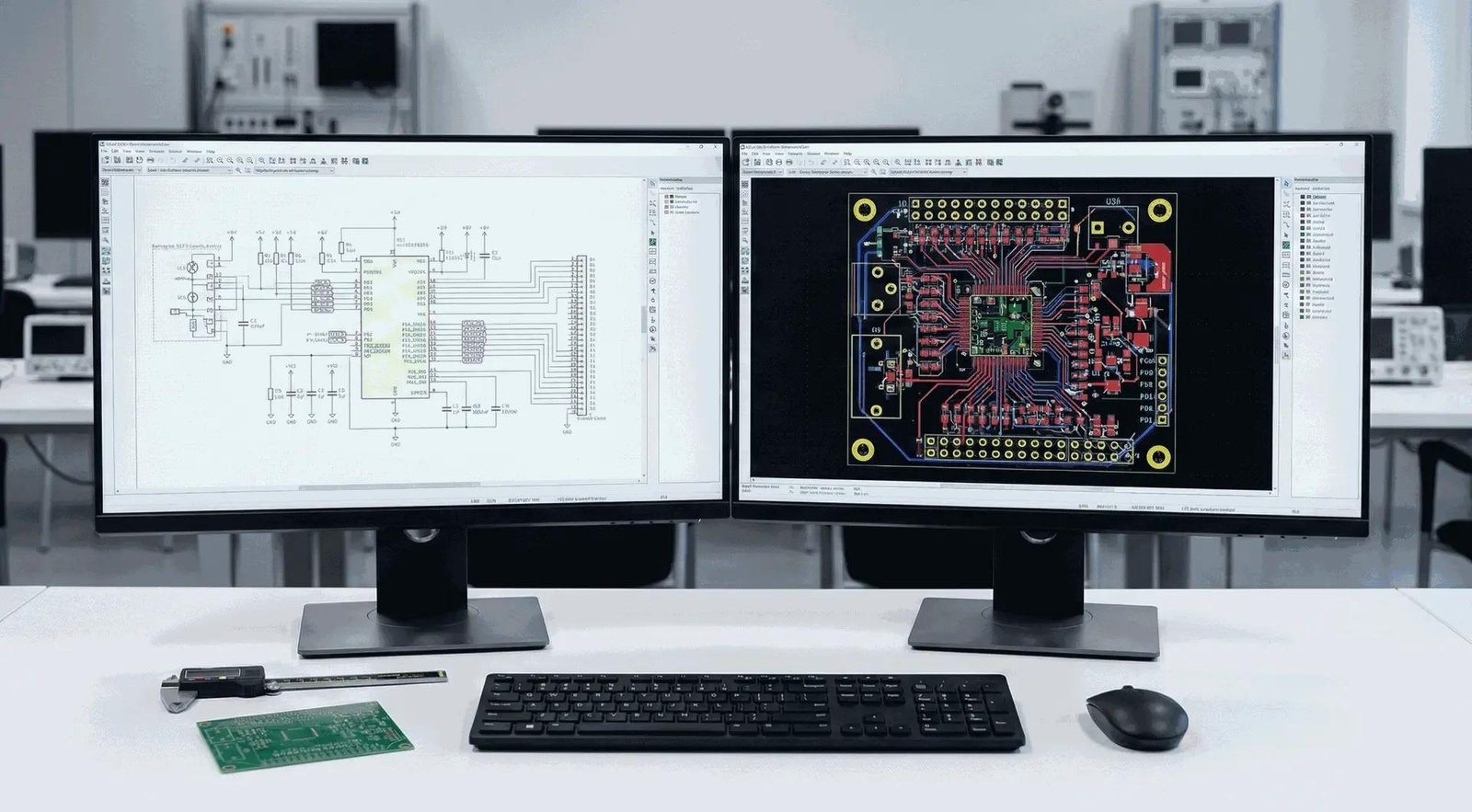
Embedded Hardware Design and PCB Development Using KiCad
Learn electronic circuit design, schematic capture, component selection, PCB lay...
30 days
20 seats left
View Details
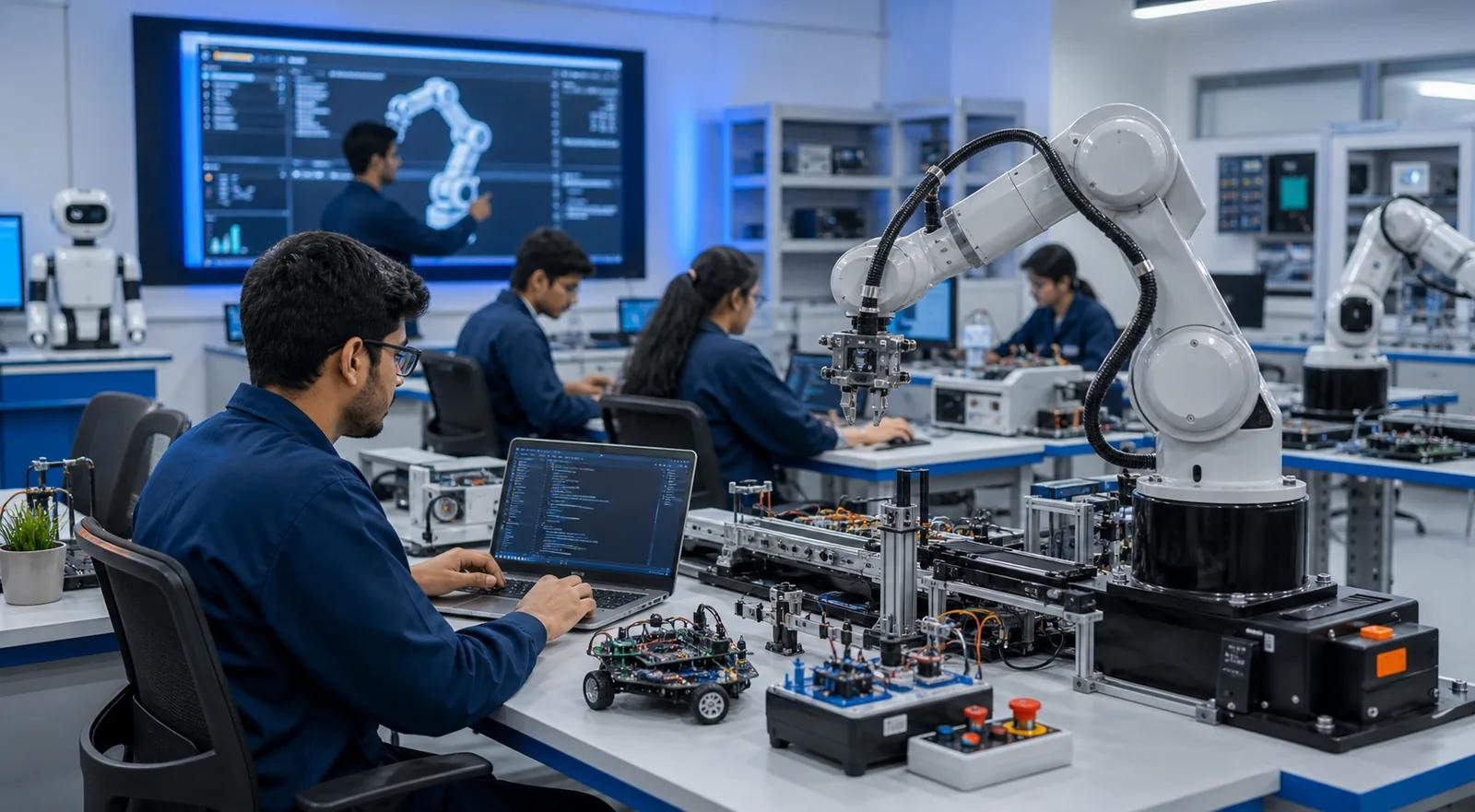
Robotics and Industrial Automation Using Microcontrollers
Learn robotics fundamentals, sensors, actuators, motor drivers, microcontroller ...
30 days
20 seats left
View Details

Internet of Things (IoT) – From Fundamentals to Real-World Applications
Learn how smart devices communicate, collect data, and interact with the real wo...
30 days
19 seats left
View Details