Course Description
About the Course
Abhijith Electronic Solution presents practical, industry-oriented training in STM32 Microcontroller Programming and Embedded Systems Development. This course is designed for engineering students, diploma students, graduates, and aspiring embedded firmware engineers.
Participants will learn to develop embedded applications using STM32 microcontrollers based on ARM Cortex-M architectures. The training covers Embedded C programming, STM32CubeIDE, STM32CubeMX configuration, peripheral programming, communication protocols, debugging techniques, and hardware interfacing.
Through hands-on laboratory sessions, learners will configure microcontroller peripherals, write and debug firmware, interface external devices, and develop real-world embedded applications using STM32 development boards.
Key Learning Outcomes
- Understand STM32 architecture and ARM Cortex-M fundamentals.
- Develop firmware using Embedded C.
- Configure peripherals using STM32CubeMX and STM32CubeIDE.
- Interface sensors, LEDs, displays, relays, and other electronic components.
- Implement ADC, PWM, timers, and interrupts.
- Communicate using UART, SPI, I2C, and CAN where supported by the selected STM32 device.
- Debug firmware using ST-LINK and debugging tools.
- Build and demonstrate STM32-based embedded projects.
Why Choose Abhijith Electronic Solution?
- Hands-on microcontroller programming.
- Industry-oriented firmware development practices.
- Practical hardware interfacing and debugging.
- Real-time project development and technical documentation.
- Internship guidance and customized college training.
- Corporate training aligned with relevant industrial engineering workflows.
Who Can Join?
B.E./B.Tech students, polytechnic students, graduates, electronics enthusiasts, and aspiring embedded systems or firmware engineers.
The course content and practical exercises can be customized according to the selected STM32 microcontroller and development board.
What You'll Learn
Module 1: STM32 Architecture and Development Environment
- Introduction to STM32 microcontrollers and ARM Cortex-M architecture.
- STM32 families, memory organization, and clock fundamentals.
- STM32 development boards and pin configuration.
- STM32CubeIDE installation and project creation.
- STM32CubeMX peripheral and clock configuration.
Module 2: Embedded C Programming
- Data types, operators, loops, and functions.
- Pointers, arrays, structures, and bitwise operations.
- Register-level programming fundamentals.
- Header files, source files, and modular firmware development.
Module 3: GPIO and Basic Peripheral Interfacing
- GPIO input and output configuration.
- LED blinking and push-button interfacing.
- Pull-up and pull-down configurations.
- Buzzer, relay, and digital sensor interfacing.
- GPIO interrupts and EXTI configuration.
Module 4: Timers, PWM, and Interrupts
- General-purpose timer configuration.
- Input capture and output compare fundamentals.
- PWM generation and duty-cycle control.
- Interrupt handling and NVIC configuration.
- Motor speed and LED brightness control using PWM.
Module 5: ADC and Sensor Interfacing
- ADC architecture and resolution.
- Analog voltage measurement and conversion.
- Sensor interfacing and data acquisition.
- ADC polling, interrupt, and DMA fundamentals.
- Practical sensor monitoring applications.
Module 6: Communication Protocols
- UART/USART serial communication.
- SPI communication and peripheral interfacing.
- I2C communication with sensors and displays.
- CAN communication fundamentals.
- CAN peripheral configuration and external transceiver interfacing where required.
- Protocol debugging and troubleshooting.
Module 7: Firmware Development and Debugging
- Firmware compilation, flashing, and execution.
- ST-LINK programming and debugging.
- Breakpoints, watch expressions, and register inspection.
- UART-based debugging and fault identification.
- Introduction to DMA and efficient data transfer.
Module 8: Hands-on STM32 Projects
- Digital sensor monitoring system.
- ADC-based voltage measurement system.
- PWM-based motor or LED control.
- UART/I2C sensor data acquisition.
- STM32-based embedded monitoring or automation project.
- Final demonstration, testing, and technical documentation.
Requirements
- - Laptop or desktop computer running a compatible operating system.
- - STM32 development board suitable for the selected practical exercises.
- - USB programming/debugging interface, such as an onboard ST-LINK or compatible external debugger.
- - USB cable and basic electronics laboratory components.
- - Access to STM32CubeIDE and STM32CubeMX.
- - Willingness to complete practical exercises and project assignments.
Prerequisites
- - Basic computer knowledge.
- - Basic digital electronics concepts are recommended.
- - Fundamental C programming knowledge is beneficial.
- - Previous STM32 experience is not mandatory for beginner-level batches.
- - Suitable for engineering students, diploma students, graduates, and aspiring embedded firmware developers.
Student Reviews & Feedback
Verified reviews submitted by students who attended this course.
No Student Reviews Yet for This Course
Verified reviews from enrolled students will appear here in real time.
Share This Course
Related Courses

Embedded Systems Design – Programming & Hardware Interfacing
Master the fundamentals of embedded systems by learning how hardware and softwar...
30 days
20 seats left
View Details
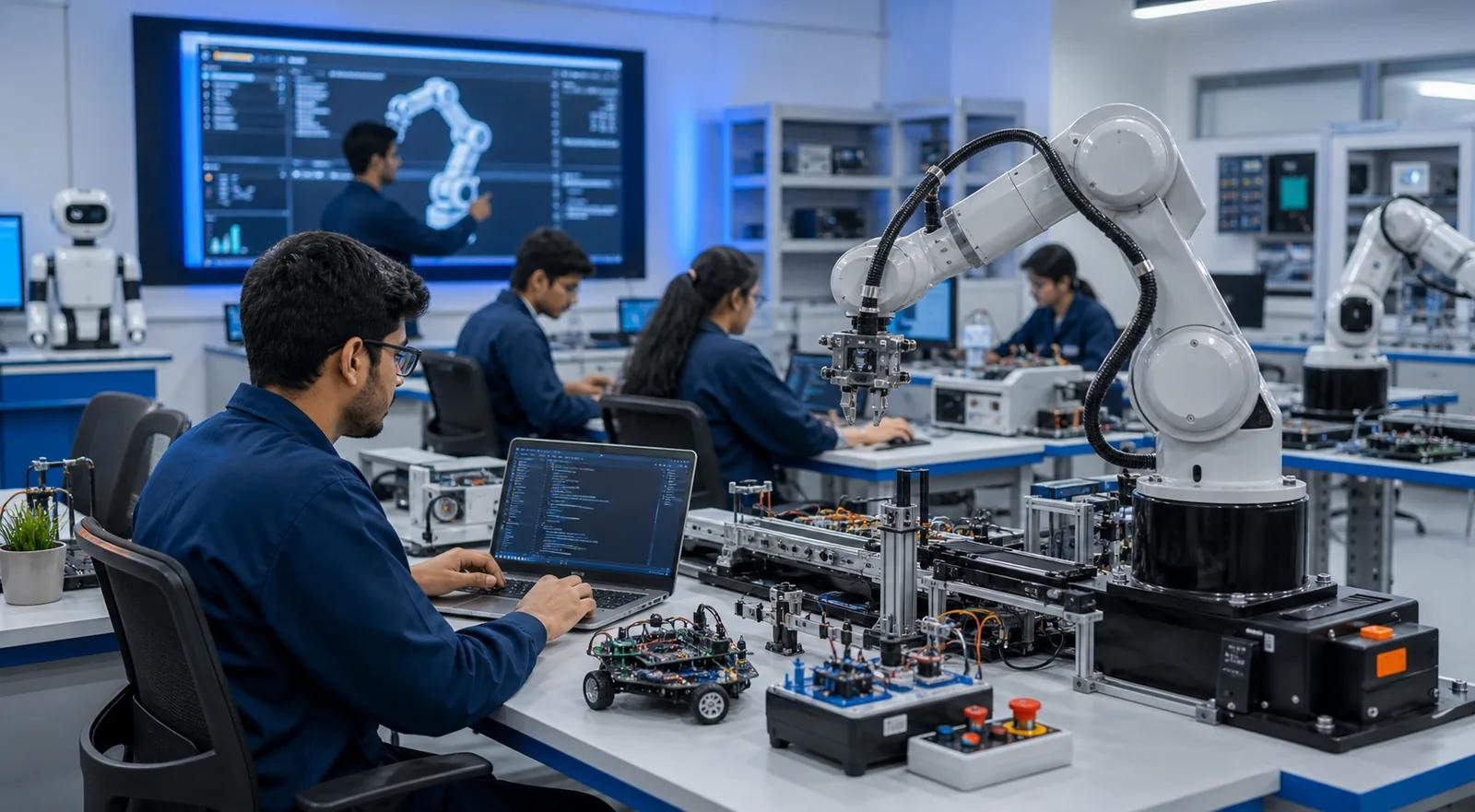
Robotics and Industrial Automation Using Microcontrollers
Learn robotics fundamentals, sensors, actuators, motor drivers, microcontroller ...
30 days
20 seats left
View Details
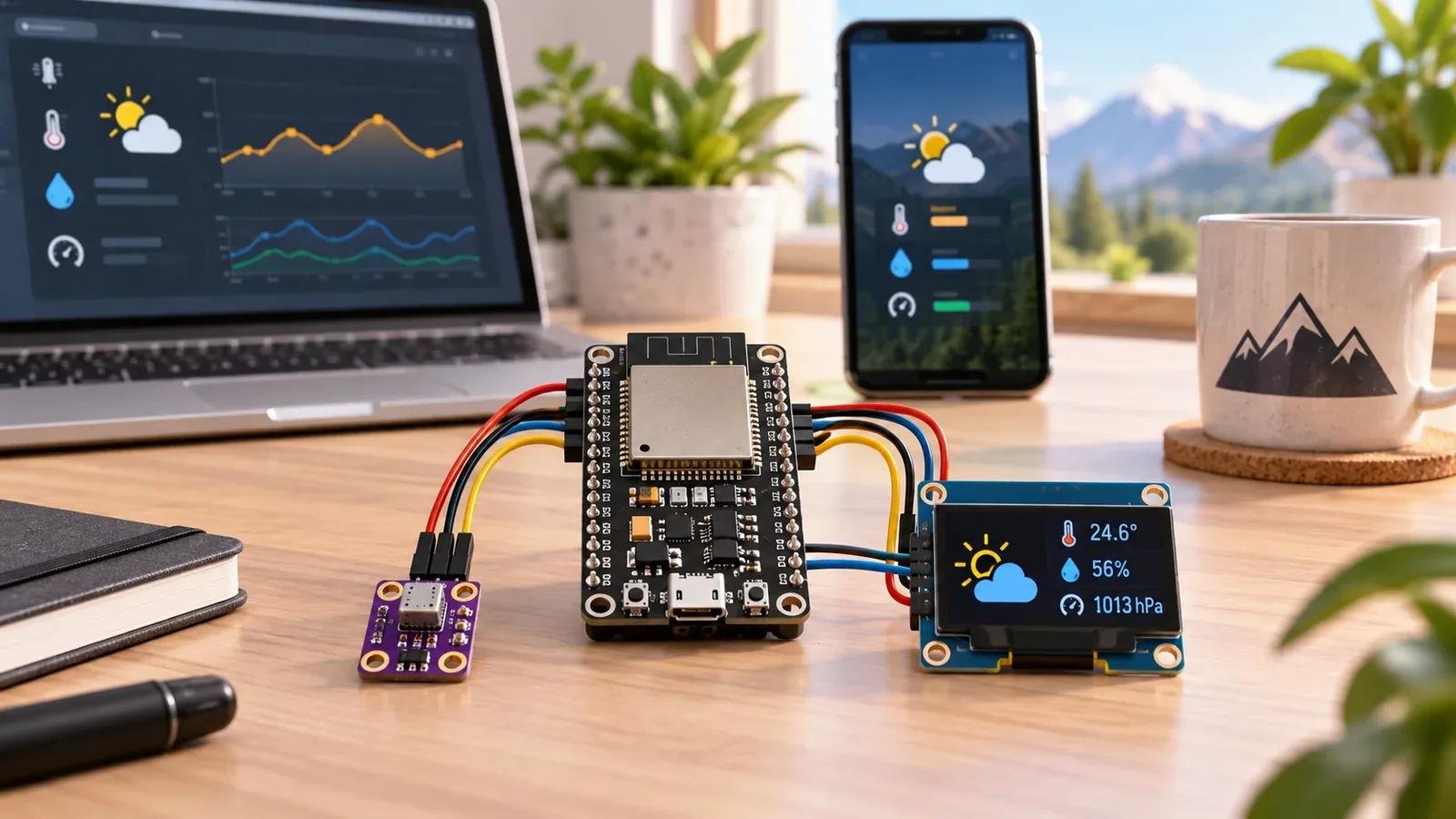
IoT Development Using ESP32, MQTT and Cloud Integration
Build real-world IoT applications using ESP32, sensors, Wi-Fi, MQTT, cloud platf...
30 days
20 seats left
View Details