Course Description
About the Internship
The Automotive Embedded Systems & Automotive Electronics Internship at Abhijith Electronic Solution is designed to introduce students to the electronic technologies used in modern vehicles.
Today's automobiles rely on embedded controllers, sensors, communication networks, and electronic control systems to improve vehicle performance, safety, efficiency, and driver comfort.
This internship provides foundational knowledge of automotive electronics, embedded C programming, Electronic Control Units (ECUs), vehicle communication protocols, and automotive diagnostic systems.
What You Will Learn
- Automotive embedded systems fundamentals.
- Electronic Control Units (ECUs) and their functions.
- Embedded C programming fundamentals.
- Automotive sensors and actuators.
- Controller Area Network (CAN) communication.
- Introduction to the LIN communication protocol.
- Anti-lock Braking System (ABS) fundamentals.
- Airbag and automotive safety system fundamentals.
- Electronic cruise control systems.
- Introduction to Advanced Driver Assistance Systems (ADAS).
- On-Board Diagnostics (OBD-II) fundamentals.
- Automotive electronics testing and troubleshooting.
Hands-on Practical Training
Participants will perform guided exercises involving microcontrollers, sensors, embedded programming, and communication protocols.
Practical activities may include reading sensor data, simulating ECU functions, sending and receiving CAN messages, and analyzing automotive communication data using suitable development boards and software tools.
Who Can Apply?
Students and graduates from Electronics and Communication Engineering (ECE), Electrical and Electronics Engineering (EEE), Electronics and Instrumentation Engineering (E&I), Mechatronics, Automotive Engineering, and related technical disciplines.
Learning Outcomes
By the end of the internship, participants should understand the architecture of automotive embedded systems, explain the functions of major vehicle electronic systems, write basic embedded C programs, understand CAN communication, and perform introductory automotive electronics testing and debugging.
The internship provides a foundation for further learning in automotive embedded software, ECU development, automotive testing, vehicle electronics, and ADAS technologies.
What You'll Learn
Module 1: Introduction to Automotive Electronics
- Evolution of automotive electronics.
- Automotive embedded systems architecture.
- Introduction to ECUs and their applications.
- Overview of vehicle electrical and electronic systems.
- Basic automotive wiring diagrams.
Module 2: Embedded Systems and C Programming
- Microcontroller fundamentals.
- Embedded C programming basics.
- GPIO, timers, interrupts, and ADC.
- Sensor interfacing and data acquisition.
- Introduction to real-time embedded systems.
Module 3: Automotive Sensors and Actuators
- Temperature, pressure, speed, and position sensors.
- Crankshaft and camshaft position sensor fundamentals.
- Throttle position and wheel speed sensors.
- Relay, motor, and actuator interfacing.
- Sensor signal conditioning and fault detection.
Module 4: Automotive Communication Protocols
- Introduction to in-vehicle communication networks.
- CAN protocol fundamentals.
- CAN message identifiers and data frames.
- CAN transmitter and receiver implementation.
- Introduction to LIN communication.
- Practical CAN message monitoring and analysis.
Module 5: Automotive Control Systems
- Electronic Control Unit (ECU) architecture.
- Engine management system fundamentals.
- Anti-lock Braking System (ABS).
- Airbag and restraint system fundamentals.
- Electronic cruise control.
- Introduction to electronic power steering.
Module 6: Automotive Diagnostics and Testing
- Introduction to OBD-II.
- Diagnostic Trouble Codes (DTCs).
- Reading and interpreting diagnostic information.
- Automotive sensor fault identification.
- ECU testing and troubleshooting fundamentals.
- Introduction to automotive software testing.
Module 7: Introduction to ADAS
- Fundamentals of Advanced Driver Assistance Systems.
- Radar, camera, and ultrasonic sensor applications.
- Lane departure warning fundamentals.
- Automatic emergency braking concepts.
- Adaptive cruise control fundamentals.
- Introduction to automotive safety and functional safety.
Module 8: Final Practical Project
- Select an automotive embedded systems project.
- Develop a microcontroller-based prototype.
- Interface automotive-related sensors.
- Implement basic control logic.
- Test and debug the system.
- Prepare project documentation and presentation.
Expected Outcome
Participants will gain foundational knowledge of automotive electronics, embedded programming, vehicle communication, diagnostic systems, and modern automotive technologies.
Requirements
- - Interest in automotive electronics and embedded systems.
- - Basic computer knowledge.
- - Willingness to learn embedded C programming.
- - A laptop or desktop for programming and simulation exercises is recommended.
- - Participation in practical sessions and project activities.
- - Completion of assigned exercises and project documentation.
- - Access to microcontroller development boards is helpful for hands-on practice.
Prerequisites
- No prior automotive industry experience is required. Basic knowledge of electronics, electrical circuits, or C programming is helpful but not mandatory. Beginners with an interest in vehicle electronics, embedded systems, and automotive technology are welcome.
Student Reviews & Feedback
Verified reviews submitted by students who attended this course.
No Student Reviews Yet for This Course
Verified reviews from enrolled students will appear here in real time.
Share This Course
Related Internships

VLSI Design & Semiconductor Technology Internship
Gain hands-on knowledge in VLSI design, digital electronics, Verilog HDL, RTL de...
30 days
20 seats left
View Details
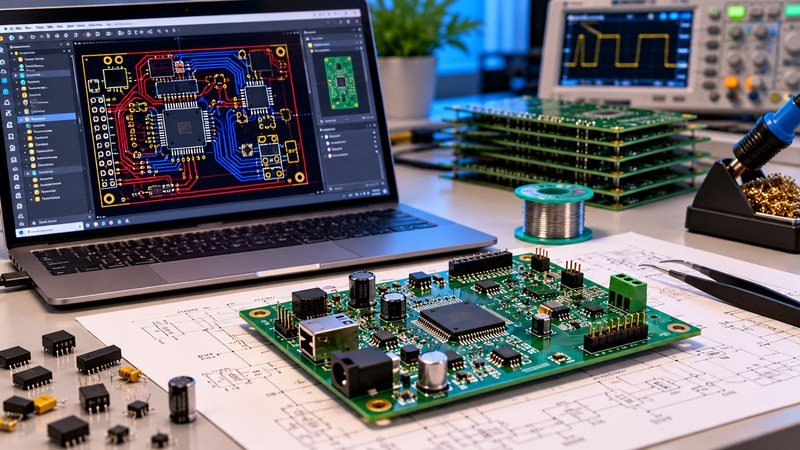
PCB Design & Hardware Development Internship
Gain hands-on experience in PCB design and electronic hardware development. Lear...
30 days
20 seats left
View Details
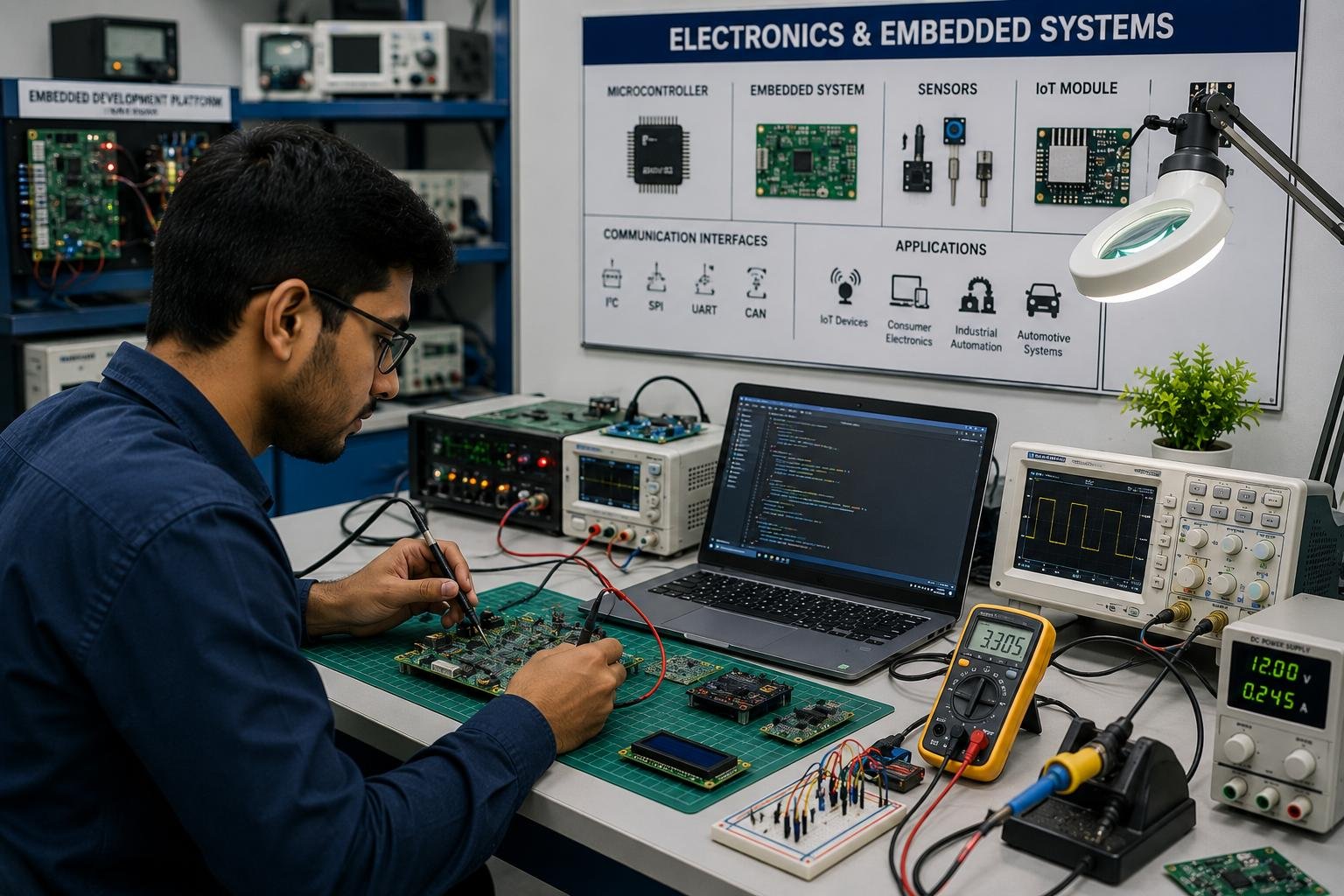
Embedded Systems & IoT Internship
Gain hands-on experience in Embedded Systems and IoT using microcontrollers, sen...
30 days
20 seats left
View Details